
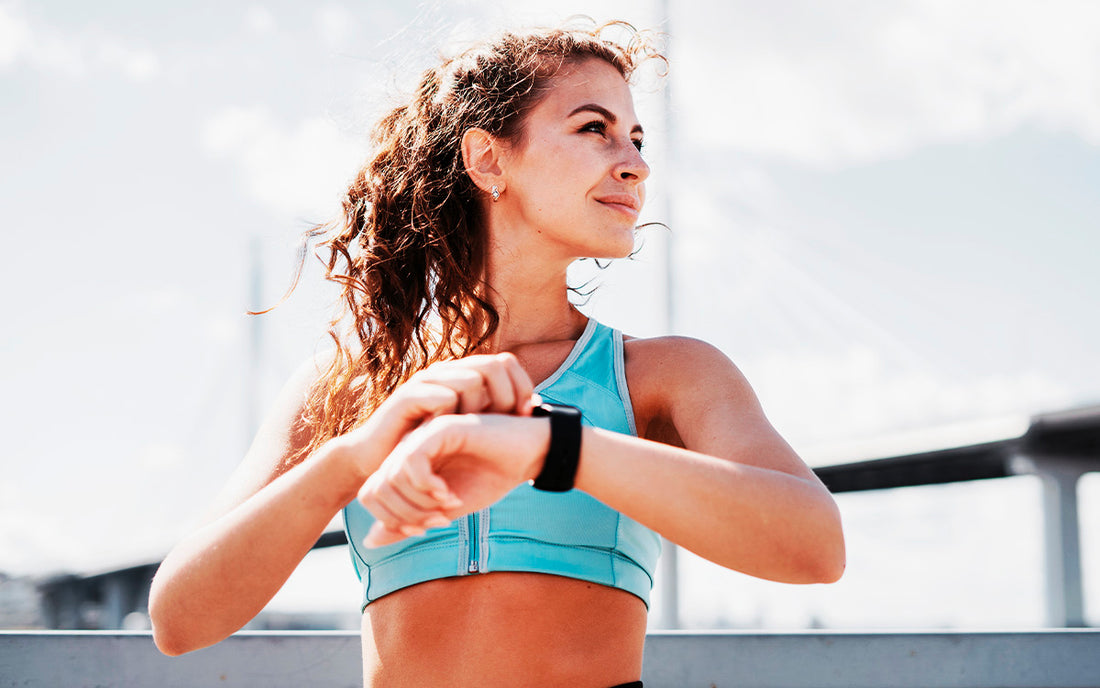
What's the best time to work out?
Setting an alarm and establishing a workout routine, along with sufficient sleep and a balanced diet, is already an excellent start to achieving results.
But when is the best time to work out?
The answer is "it depends," because each time of day has a different peak in hormone production, and depending on the desired outcome, it's better to prioritize one time over another to maximize the effects of training.
Chronobiology says so.
Everyone has their own preferences regarding schedules – some are early risers and prefer to do concentrated work at dawn, while others perform best in the evening.
On average, everyone is different, but chronobiology – a branch of biology that studies biological rhythms during the cyclical nature of life – states that at certain times of the day, there can be different peaks in the production of hormones and other substances.
If intercepted correctly and synchronized with our activity, it's possible to maximize the benefits of the "biological clock."

Weight loss is best early.
The best time to work out for weight loss is in the morning, right after waking up, preferably on an empty stomach. Glycogen levels are lower, and you burn more.
The recommended activity is aerobic exercise. The benefits include an increase in endorphins, dopamine, and serotonin, substances that help start the day well and with the right positive spirit. In short: they reduce the "Monday effect."
Not suitable for overweight individuals and pregnant women.
Early afternoon is all about muscles
If the goal is to increase muscle mass and tone, it is advisable to do so in the early afternoon. These are the best hours because you have a peak in testosterone: this hormone helps synthesize proteins and "build muscle mass," as they say in the jargon.
Evening: decreasing stress.
In the evening hours, adrenaline levels are higher: if you have a stressful job and need to release nervousness and anger, the evening is the best time to vent. It's also great to dedicate yourself to stretching and lengthening activities to compensate for perhaps too many hours spent at a desk. A recommendation: be careful not to overdo physical activity close to bedtime: it could compromise the quality of sleep.
Indeed, it's not a given that exercising very late with the intention of getting tired will actually help you have a peaceful sleep.
In short: it's better to organize gym and fitness by coordinating them with your biological clock to ensure you don't miss out on the perfect shape you desire.
Have you already set up your routine? Is your workout schedule coordinated with the results you want to achieve?